Planning for Family-Owned Farms or Cabins: Keeping Property in the Family
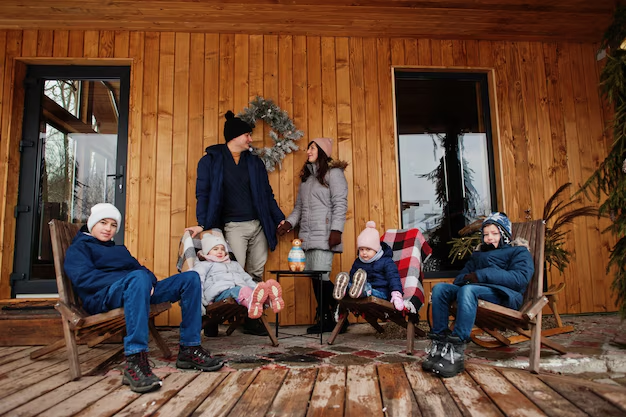 Family farms and cabins often hold deep meaning. They are places filled with memories, hard work, and tradition. Many families want to pass these properties down to the next generation. Without proper planning, that goal can be hard to reach.
Estate planning helps protect family land and avoid conflict. Clear legal steps can keep property in the family and reduce stress for loved ones. This article explains how planning works and why it matters for families in Wisconsin.
Article Summary
- Why Family Farms and Cabins Need Special Planning
- Common Risks That Put Family Property at Risk
- How Ownership Structure Affects the Future
- Using Trusts to Protect Family Property
- Planning for Fairness Among Family Members
- Avoiding Probate and Forced Property Sales
- Common Mistakes Families Make
- When to Work With an Estate Planning Lawyer
1. Why Family Farms and Cabins Need Special Planning
Family-owned land is often more than real estate. A farm may be a source of income. A cabin may be a place where generations gather. These properties carry emotional and financial value.
When an owner passes away without a plan, the property may go through probate. This process can be slow and costly. It can also lead to disputes among heirs. Planning ahead helps avoid these problems.
Clear planning helps protect family goals. It also makes sure the property stays usable and cared for long after the current owner is gone.
2. Common Risks That Put Family Property at Risk
Many families assume property will “just pass down.” This assumption often leads to trouble. Taxes, debts, and legal fees can force a sale if no plan exists.
Another risk is family disagreement. One heir may want to keep the farm or cabin. Another may want to sell. Without clear instructions, these conflicts can tear families apart.
Life changes also create risk. Divorce, remarriage, or blended families can change who has rights to property. Estate planning helps address these issues before they become problems.
3. How Ownership Structure Affects the Future
How property is owned matters. Sole ownership, joint ownership, and business ownership all affect what happens next.
Some families own land jointly with children or siblings. This can work, but it can also create confusion. One owner’s death can affect everyone’s rights.
Other families place farms into business entities. This may help manage income and expenses. It can also help control who can inherit ownership. A Milwaukee estate planning attorney can help explain which option fits best.
4. Using Trusts to Protect Family Property
Trusts are a common tool for keeping property in the family. A trust can hold ownership of a farm or cabin. The trust rules control who can use the property and when ownership passes.
Trusts help avoid probate. They also provide privacy and faster transfer after death. This can be very helpful for properties that need ongoing care or income management.
Trusts can also protect land from creditors or lawsuits in some cases. Articles like Common Misconceptions About Estate Planning explain why trusts are often misunderstood but very useful.
5. Planning for Fairness Among Family Members
Fair does not always mean equal. One child may work the farm. Another may live out of state. Planning must reflect these realities.
Some families leave the farm to one child and other assets to another. Others allow shared use of a cabin but set rules for scheduling and upkeep.
Clear planning helps reduce resentment. Written instructions explain your intent. This clarity can prevent arguments and protect family relationships.
6. Avoiding Probate and Forced Property Sales
Probate can delay access to property. It can also create financial pressure. Taxes and legal fees may force heirs to sell land they wanted to keep.
Estate planning tools help avoid these outcomes. Trusts, transfer-on-death deeds, and proper beneficiary designations all help streamline transfer.
Learning how probate works is helpful. Resources like What Is Probate and What to Expect give a clear overview of the process and why many families try to avoid it.
7. Common Mistakes Families Make
 One common mistake is waiting too long. Planning is easier when owners are healthy and clear-minded.
Another mistake is failing to update plans. Changes in family size, health, or finances may require updates. Guidance like 7 Signs It Is Time to Update Your Estate Plan can help families know when to review documents.
Some families also rely on verbal promises. These promises often carry no legal weight. Written plans protect everyone involved.
8. When to Work With an Estate Planning Lawyer
Planning for farms and cabins requires careful thought. Each family situation is different. Laws also change over time.
A Milwaukee estate planning lawyer can help create a clear plan that protects property and family goals. A Milwaukee estate planning attorney understands local laws and common challenges facing Wisconsin families.
At Margerie Law in Wauwatosa, we work with families to protect what matters most. If you want to keep your farm or cabin in the family and avoid future conflict, contact us at Margerie Law to schedule a free consultation and start planning with confidence.

By Paul Margerie, Owner of Margerie Law
Paul Margerie of Margerie Law is a knowledgeable and experienced estate planning attorney based in Wauwatosa, WI. With years of experience helping families and individuals with their estate plans, he offers a gentle touch that puts his clients at ease. He understands the sensitive nature of this work and ensures that all details are taken care of with precision and accuracy. He strives to help each client achieve peace of mind that their future is protected by providing personalized advice and creating tailor-made solutions that fit their individual needs.