Estate Planning Lawyer Tips for Protecting Pets After You’re Gone
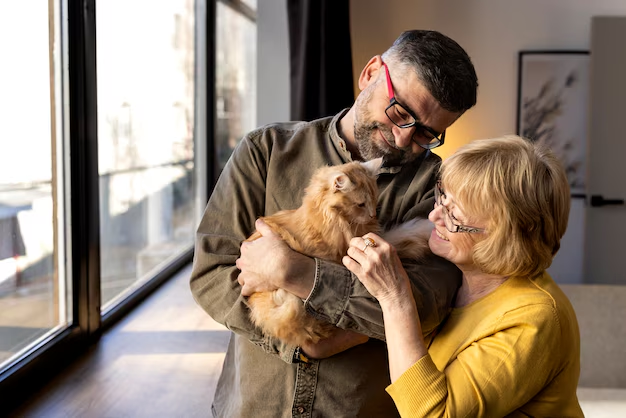 For many people, pets are family. They offer companionship, comfort, and unconditional love. Yet many pet owners do not realize that pets are not automatically protected if something happens to them. Without planning, pets can end up in shelters, with people you would not choose, or without proper care.
Estate planning is not only about money or property. It is also about making sure loved ones are cared for, including pets. An estate planning lawyer can help you put clear instructions in place so your pets remain safe and cared for if you pass away or become unable to care for them.
This article explains how estate planning protects pets, common mistakes to avoid, and practical steps you can take to make sure your pets are never left without a plan.
Article Summary
- Why Pets Need to Be Included in an Estate Plan
- What Can Happen Without Planning
- How an Estate Planning Lawyer Helps Protect Pets
- Choosing the Right Caretaker for Your Pet
- Creating Instructions for Your Pet’s Care
- Planning Financial Support for Your Pet
- Understanding Pet Trusts
- Common Mistakes Pet Owners Make
- Updating Your Plan as Life Changes
- Frequently Asked Questions About Pets and Estate Planning
- Protecting Pets Through Estate Planning
1. Why Pets Need to Be Included in an Estate Plan
Many pet owners assume a family member or friend will step in if something happens. While this may be true in some cases, assumptions can lead to problems. If no clear plan exists, there may be confusion or disagreement about who should care for the pet.
Pets are considered property under the law. This means courts do not automatically know where a pet should go. Without instructions, decisions may be made quickly and without regard for your wishes.
Estate planning gives you control. It allows you to clearly state who should care for your pet and how that care should be handled.
2. What Can Happen Without Planning
Without an estate plan that includes pets, several outcomes are possible:
- Pets may be sent to a shelter
- Pets may be passed between people unwilling to keep them
- Pets may end up with someone who cannot provide proper care
- Disputes may arise among family members
Many of these risks increase when plans are informal or incomplete. This is one reason professionals often warn about the hidden risks of DIY estate planning, especially when pets are involved.
3. How an Estate Planning Lawyer Helps Protect Pets
An estate planning lawyer helps turn your wishes into legally enforceable documents. This ensures your plans are followed and not left to chance.
An estate planning lawyer can help you:
- Name a caretaker for your pet
- Set aside money for pet care
- Create instructions for daily routines
- Plan for emergencies or backups
- Make sure plans follow Wisconsin law
These steps help ensure your pet continues to receive the same care and attention they receive today.
4. Choosing the Right Caretaker for Your Pet
Choosing who will care for your pet is one of the most important decisions you can make. This should be someone you trust and who understands your pet’s needs.
When choosing a caretaker, consider:
- Their willingness to take on the responsibility
- Their lifestyle and living situation
- Their experience with pets
- Their ability to provide long-term care
It is also wise to name a backup caretaker in case your first choice is unable or unwilling to serve when the time comes.
5. Creating Instructions for Your Pet’s Care
Pets often have specific needs. Clear instructions help caretakers provide consistent care.
You may want to include:
- Feeding schedules and diet
- Medication or medical conditions
- Veterinary contact information
- Grooming needs
- Exercise routines
- Behavior concerns
While these details may seem small, they help your pet adjust more easily to a new situation.
6. Planning Financial Support for Your Pet
Caring for a pet costs money. Food, medical care, grooming, and emergencies can add up. Estate planning allows you to set aside funds specifically for your pet’s care.
An estate planning lawyer can help you:
- Estimate future care costs
- Set aside funds for routine and emergency care
- Make sure money is used only for your pet
This planning reduces the financial burden on caretakers and increases the likelihood that your pet will receive proper care.
7. Understanding Pet Trusts
One of the strongest tools for protecting pets is a pet trust. A pet trust is a legal arrangement that sets aside money for your pet and names someone to manage those funds.
A pet trust can:
- Name a caretaker
- Name a trustee to manage funds
- Specify how money is used
- Last for the pet’s lifetime
Pet trusts offer more protection than informal agreements and help ensure accountability.
8. Common Mistakes Pet Owners Make
Many pet owners intend to plan but make mistakes that weaken their efforts. Common mistakes include:
- Relying on verbal promises
- Not setting aside funds for care
- Choosing a caretaker without confirming willingness
- Failing to update plans after life changes
- Assuming pets are automatically protected
Life changes often trigger the need for updates. Warning signs are outlined in our guide 7 Signs It Is Time to Update Your Estate Plan.
9. Updating Your Plan as Life Changes
Estate planning is not a one-time task. Changes in family, finances, or your pet’s health may require updates.
You should review your plan if:
- You adopt a new pet
- Your chosen caretaker’s situation changes
- Your pet develops medical needs
- Your financial situation changes
Many professionals recommend regular reviews, which is explained in-depth in How Often Should You Review Your Estate Plan?.
10. Frequently Asked Questions About Pets and Estate Planning
Can I leave money directly to my pet?
No. Pets cannot legally own property. Funds must be managed by a person or trust for the pet’s benefit.
Is naming a caretaker in my will enough?
 A will can name a caretaker, but it may not provide long-term financial oversight. A pet trust often provides stronger protection.
What if my caretaker misuses the money?
A properly drafted plan can include oversight and clear instructions to reduce this risk.
Do I need a pet trust for one pet?
Not always, but it can be helpful, especially if your pet has medical needs or you want added protection.
11. Protecting Pets Through Estate Planning
Pets depend on us for their safety and well-being. Including them in your estate plan ensures they are not forgotten during difficult times.
Working with Margerie Law Office in Wauwatosa helps pet owners create clear, thoughtful plans that protect animals they love. One of our experienced Wauwatosa estate planning lawyers can guide you through the process and help ensure your pets are cared for according to your wishes, no matter what the future holds. Don’t wait – call us today!

By Paul Margerie, Owner of Margerie Law
Paul Margerie of Margerie Law is a knowledgeable and experienced estate planning attorney based in Wauwatosa, WI. With years of experience helping families and individuals with their estate plans, he offers a gentle touch that puts his clients at ease. He understands the sensitive nature of this work and ensures that all details are taken care of with precision and accuracy. He strives to help each client achieve peace of mind that their future is protected by providing personalized advice and creating tailor-made solutions that fit their individual needs.