What Happens to Minor Children Without a Will in Wisconsin?
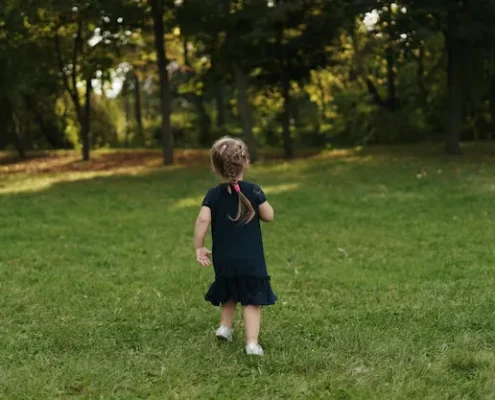 No parent likes to think about this question… but every parent should.
If both parents die without an estate plan in Wisconsin, the state steps in. A court makes decisions about your children. A judge may decide who raises them. A judge may decide who manages their inheritance.
This is not meant to scare you. It is meant to explain why planning matters — especially for young families in Milwaukee, Wauwatosa and the surrounding areas.
Article Summary
- Who decides guardianship if there is no will
- How Wisconsin courts choose a guardian
- What happens to your children’s inheritance
- Why minor children cannot inherit directly
- How a trust protects young children
- The emotional cost of not planning
- Simple steps to protect your family
- When to meet with an estate planning attorney
1. Who Decides Who Raises Your Children?
If both parents pass away without naming a guardian in a will, the court must choose one.
Family members may step forward. Grandparents, siblings, or close relatives may ask to take custody. If multiple people want the role, the situation can become complicated.
A judge will decide based on what they believe is in the child’s best interest. The problem is simple: the judge does not know your family the way you do. Without a will, you lose the ability to clearly state who you want to raise your children.
2. How Does a Wisconsin Court Choose a Guardian?
In Wisconsin, the court looks at factors such as:
- The child’s relationship with the adult
- Stability of the home
- Financial ability
- Location
- Overall well-being of the child
The court tries to do what is best. But this process can take time. During that time, your children may live with temporary caregivers.
If you name a guardian in a properly drafted will, the court usually honors your choice. A Milwaukee estate planning attorney can make sure that choice is legally clear and properly documented.
For more guidance on this important decision, our guide How to Choose a Legal Guardian for Your Minor Children walks through important factors to consider.
3. What Happens to Your Children’s Inheritance?
If both parents die without a will, Wisconsin intestacy laws determine who receives your property.
If you only have minor children, your estate will typically pass to them. But here is the key issue: minor children cannot legally manage money or property.
That means:
- A court will appoint someone to manage the funds.
- The person managing the money may not be the same person raising your children.
- The court may require ongoing supervision.
This process can create stress, delay, and extra costs.
To better understand how Wisconsin handles estates without a will, you can read Intestacy Laws: What Happens if You Die Without a Will in Wisconsin?.
4. Why Minor Children Cannot Inherit Directly
Children under 18 cannot legally control inherited assets. If your estate goes directly to your children without a trust, the court may hold the funds until they turn 18.
At age 18, your child would receive full control of the inheritance in one lump sum. For many parents, that is not ideal.
Most parents would prefer:
- Staggered distributions
- Funds available for education
- Protection from poor financial decisions
- Oversight until a more mature age
A trust allows you to set these rules clearly. If you are unsure about the difference between wills and trusts, Wills vs Trusts explains how each tool works and when each makes sense.
5. The Emotional Cost of Not Planning
When both parents pass away, children face emotional trauma. The last thing they need is legal confusion.
Without a clear plan:
- Family members may disagree about guardianship
- Court hearings may add stress
- Financial management may feel uncertain
- Children may sense instability
Estate planning does not remove grief. But it removes avoidable uncertainty.
For young families in Milwaukee and the western suburbs like Brookfield and Elm Grove, planning ahead provides stability during the worst moments.
6. What Documents Protect Your Children?
For most young families, protection starts with simple documents:
- A Will
- Names a guardian
- Names a personal representative
- A Trust (if appropriate)
- Controls how money is managed
- Protects assets for minor children
- Durable Powers of Attorney
- Handle finances and healthcare if you become incapacitated
If you want a simple overview of what these documents include, What Estate Planning Documents Do I Need? provides a clear starting point.
An estate planning attorney near you can walk through these documents and explain what fits your situation.
7. What If You Think “We’re Still Young”?
 Many young parents believe estate planning is only for older adults. But accidents and illness do not follow age rules.
If you have:
- Minor children
- A home
- Retirement accounts
You need a plan. Estate planning is not about wealth. It is about responsibility.
8. Protecting Your Children Starts With a Decision
Thinking about worst-case scenarios is uncomfortable. But avoiding the topic does not protect your family.
Naming a guardian in a legally valid will gives you a voice, even if you are not there. Creating a trust gives your children structure and protection. Putting powers of attorney in place protects your family if you are alive but unable to act.
At Margerie Law in Wauwatosa, we work with young families across Milwaukee, Wauwatosa, Brookfield, and Elm Grove to create simple estate plans that protect children and reduce future stress. Our team focuses on clear decisions, practical planning, and long-term peace of mind.
If you have children and do not yet have a plan in place, we invite you to schedule a free consultation with a trusted Wauwatosa estate planning attorney. A short conversation now can ensure your children are protected no matter what happens.

By Paul Margerie, Owner of Margerie Law
Paul Margerie of Margerie Law is a knowledgeable and experienced estate planning attorney based in Wauwatosa, WI. With years of experience helping families and individuals with their estate plans, he offers a gentle touch that puts his clients at ease. He understands the sensitive nature of this work and ensures that all details are taken care of with precision and accuracy. He strives to help each client achieve peace of mind that their future is protected by providing personalized advice and creating tailor-made solutions that fit their individual needs.